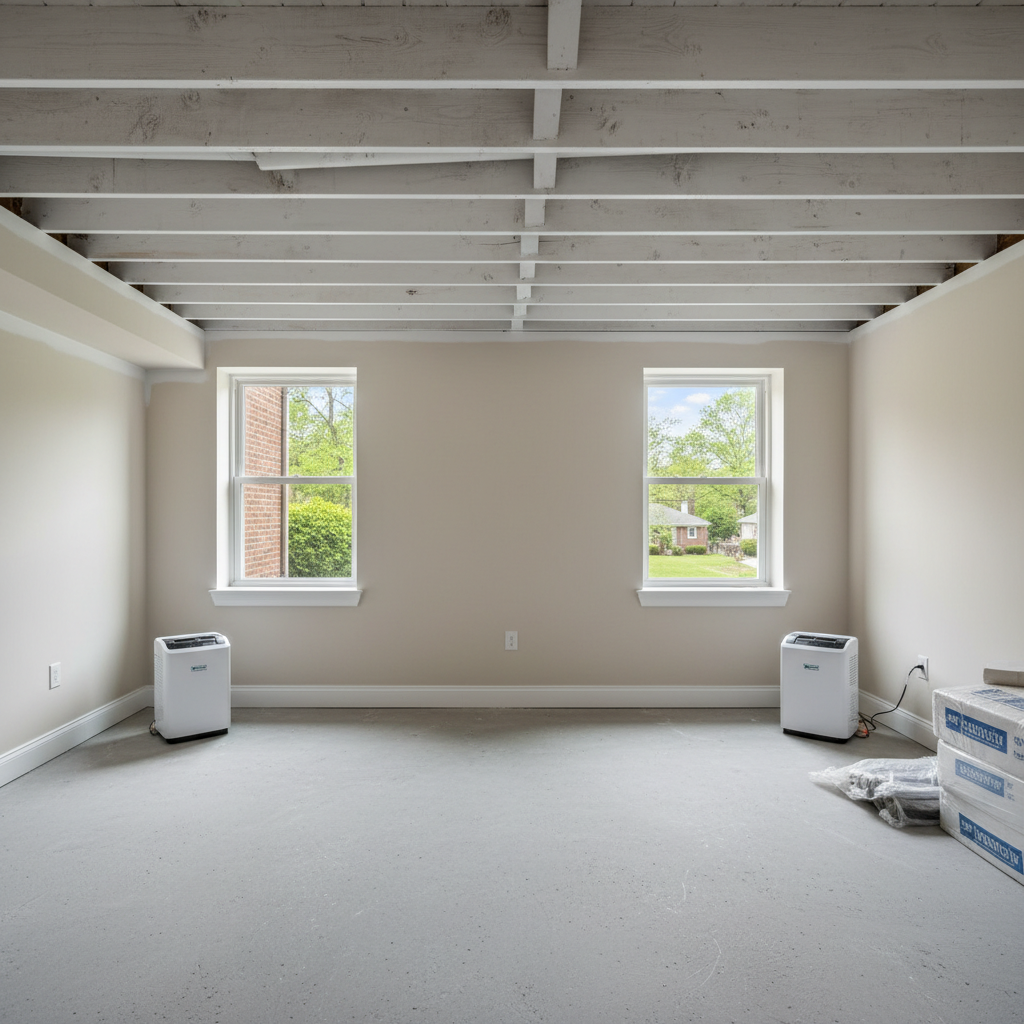
Finding mold in your home is never fun. It's unsettling, it can smell, and you just know a big project is coming. But don't let it overwhelm you. With a good plan, you can absolutely tackle it. As a contractor who's seen plenty of mold situations across DC—from the old rowhouses in Capitol Hill to the newer condos in Navy Yard—I've got some insights to share about getting your mold remediation project done right.
Understanding Your Mold Remediation Timeline
First, let's talk about how long this whole thing takes. There's no one-size-fits-all answer here, because every mold problem is different. A small patch in a bathroom corner from a leaky faucet? That'll be much quicker than extensive mold growth in a basement after a pipe burst and sat for weeks, you know?
- Initial Assessment & Testing: This is step one. A professional needs to come out, figure out where the moisture is coming from, and often take samples. This confirms the type of mold and its concentration. Usually, this takes a few days, including the time for lab results.
- Proposal & Contract: Once they know what they're up against, you'll get a detailed proposal. Reviewing this, asking questions, and getting it signed can take another few days to a week. It really depends on how quickly you move.
- Preparation & Containment: Before any actual removal starts, the crew will set up barriers. Think plastic sheeting, negative air pressure machines—all to stop mold spores from spreading to other parts of your house. This might take a few hours, or even a full day.
- Mold Removal: This is the hands-on part. For a small area, it could be just one day. For bigger, more complex infestations, it might be several days or even a week. They'll remove anything contaminated, clean surfaces, and apply antimicrobial treatments.
- Drying: If there's still moisture, the area needs to dry completely. This can take 3-5 days, sometimes longer, using special drying equipment.
- Post-Remediation Verification (PRV): After the work is done and everything's dry, you'll want a third-party air quality test. This confirms the mold is gone and spore counts are back to normal. That adds another few days for testing and lab results.
- Reconstruction: Once you get the 'all clear,' you can start rebuilding. This isn't part of the remediation itself, but it's the final step to getting your home back to normal. The timeline for this varies wildly based on what needed to be removed, obviously.
So, from that first call to final clearance, you're usually looking at a minimum of 2-3 weeks for a moderate job. Larger, more involved projects? Those could easily take over a month. Don't expect an overnight fix.
What to Expect During the Process
When the crew shows up, they're not just going to start tearing things out willy-nilly. There's a process, and it's all designed to protect your home and your health.
- Noise: Expect some noise. Air scrubbers, dehumidifiers, and demolition work aren't quiet, after all.
- Containment: You'll see plastic everywhere. This is super important for keeping mold spores from spreading. They'll create negative air pressure zones to make sure air flows *into* the affected area, not out.
- Disruption: Access to the affected area will be restricted. You might even need to temporarily relocate if the mold is extensive or in a main living space, especially if you have respiratory sensitivities or young children.
- Smell: There might be a musty smell at first, then possibly the scent of cleaning agents or antimicrobials. Good ventilation helps with this.
- Demolition: They'll remove porous materials like drywall, insulation, and carpeting that have mold growth. Non-porous surfaces, thankfully, can often just be cleaned.
- Daily Updates: A good contractor will keep you in the loop about progress and any unexpected findings.
It's not always pretty, but it's absolutely necessary to get rid of the mold for good.
How to Prepare Your Home and Family
Before the crew even steps foot in your house, there are a few things you can do to make the process smoother and safer.
- Remove Valuables: If you can, move any valuable or sentimental items out of the affected area. Even with containment, it's just safer that way.
- Clear the Path: Make sure the crew has clear access to the work area. Move furniture, boxes, anything that's in the way.
- Secure Pets: Keep pets away from the work zone. The noise and activity can stress them out, and you definitely don't want them getting into contaminated areas.
- Plan for Displacement: Seriously consider if you need to stay somewhere else. If the mold is extensive, or if anyone in your household has asthma or allergies, it's often best to find temporary lodging.
- Communicate: Talk to your family about what's going to happen. Kids, especially, might be a little freaked out by the plastic sheeting and strange equipment.
- Document: Take photos or videos of the mold before work begins. This is good for your records and potentially for insurance purposes.
A little preparation really goes a long way in reducing stress during the project.
Crucial Questions to Ask Before Signing a Contract
You're about to invest a significant amount of money and trust in a company. Don't just sign the first thing put in front of you, okay? Ask these questions:
- What certifications do your technicians hold? Look for certifications from organizations like the IICRC (Institute of Inspection, Cleaning and Restoration Certification) or ACAC (American Council for Accredited Certification). This shows they've got the proper training.
- How will you contain the work area? They should describe negative air pressure, HEPA filtration, and physical barriers.
- What's your process for finding and fixing the moisture source? Remediation is useless if the moisture problem isn't taken care of.
- What materials will be removed, and what will be cleaned? Get specifics. You don't want any surprises later.
- Do you use a third-party for post-remediation verification (PRV)? This is HUGE. You want an independent company to test the air after they're done, not the same company that did the work. It's for your own peace of mind, really.
- What's your warranty on the work? A reputable company like Neighborly Restoration will stand behind what they do.
- Can you provide references from previous mold remediation clients? Talk to people who've used them.
- What's the payment schedule? Understand when payments are due and if there's a deposit required.
- Are you licensed and insured for mold remediation in DC? Always verify this. You don't want uninsured workers on your property, do you?
Don't be afraid to ask tough questions. This is your home, and your health. Getting mold out of your DC home is a process, but with the right approach and the right team, you'll get your home back. Stay informed, stay prepared, and don't settle for anything less than a thorough job.