So, Your DC Home Has Water Damage. Now What About the Cost?
Nobody wants to deal with water damage. It's a headache, it's messy, and yeah, it can be expensive. But 'expensive' is a pretty vague word, isn't it? As a contractor who's seen it all across this city, from rowhouses in Capitol Hill to new builds in Navy Yard, I know you need real numbers, not just guesses. So let's talk about what you're actually looking at when it comes to water damage cleanup costs here in Washington, DC.
What Makes the Price Tag Go Up or Down?
You'd think water is just water, right? But the cost of cleaning it up varies wildly based on a few key factors. It's not just about how much water there is, but what kind of water, how long it's been there, and what it's touched.
- Category of Water: This is huge. Clean water (Category 1, like from a burst pipe or overflowing sink) is the easiest and cheapest to deal with. Gray water (Category 2, like from a washing machine overflow or toilet with urine only) is more serious because it can contain contaminants. Black water (Category 3, from sewage, river flooding, or prolonged gray water) is the worst. It's full of bacteria and pathogens, requiring specialized handling, disposal, and often removal of porous materials. Dealing with black water can easily double or triple the cost compared to clean water.
- Extent of Damage & Affected Materials: A small puddle on a tile floor is one thing. Water soaking into drywall, insulation, wood flooring, and subflooring is another. The more materials that are wet, the more labor and equipment are needed for drying, and the more materials might need to be removed and replaced. Think about how many square feet are affected, and how deep the water got.
- Time is Money: The longer water sits, the more damage it does, and the higher the risk of mold. If you call us right away, we can often dry things out before mold even thinks about setting in. Wait a few days, and suddenly you're looking at mold remediation on top of the water cleanup, which is a whole other beast and cost. Especially with our humid DC summers, mold can start growing in as little as 24-48 hours.
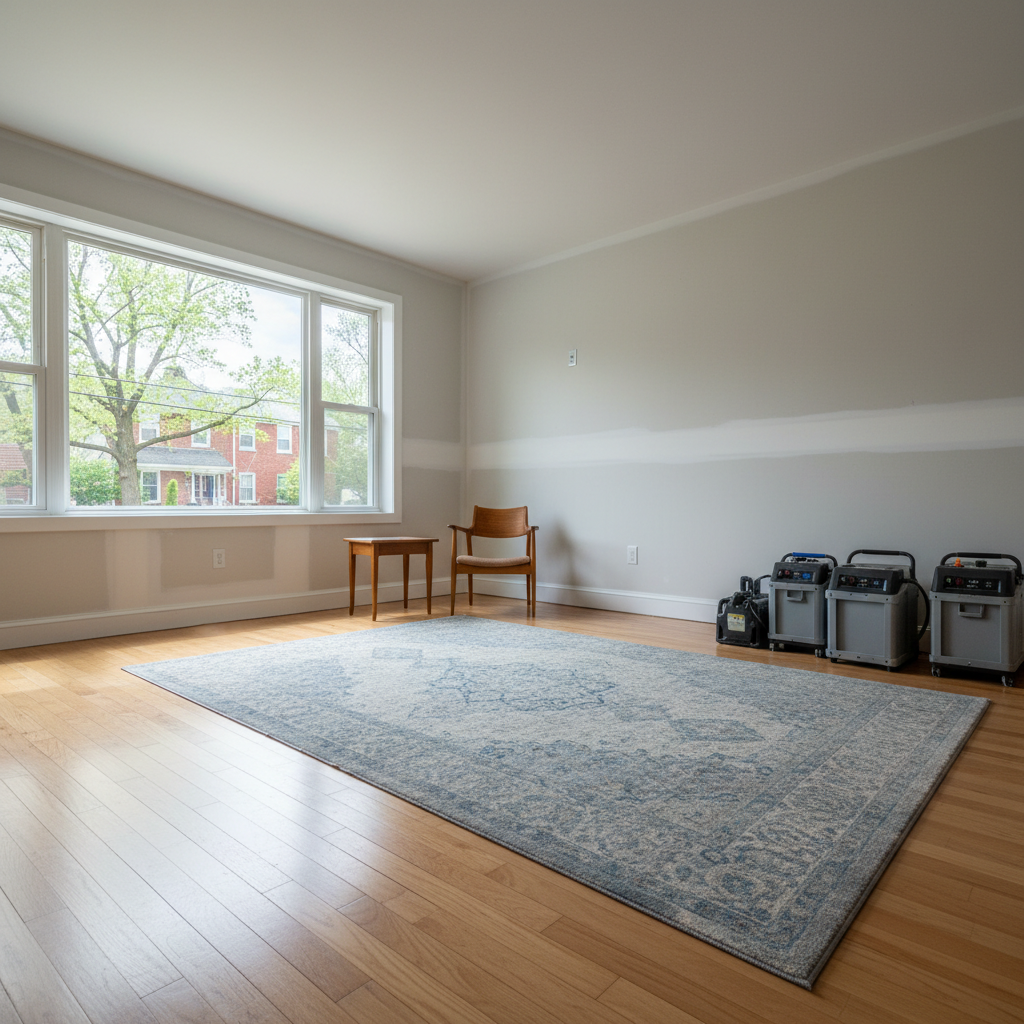
- Equipment & Labor: Cleanup isn't just mops and buckets. We're talking industrial-grade dehumidifiers, air movers, air scrubbers, moisture meters, thermal imaging cameras. All this equipment runs 24/7 for days, sometimes a week or more. Plus, you're paying for skilled technicians who know how to deploy it all effectively and monitor moisture levels.
- Location & Accessibility: A flooded basement with easy access is simpler than a leak in a cramped attic or behind built-in cabinetry. Tight spaces or difficult-to-reach areas mean more labor time.
Typical Cost Ranges for Water Damage Cleanup in DC
Okay, let's get to some actual numbers. Remember, these are rough estimates, but they'll give you a ballpark.
- Small, Clean Water Incident (e.g., overflowing sink, small pipe leak affecting less than 50 sq ft): You're probably looking at $1,500 - $4,000. This might involve water extraction, drying out a small area of carpet or drywall, and some antimicrobial treatment.
- Medium-Sized Incident (e.g., burst pipe affecting a room or two, 100-500 sq ft): This range jumps to $4,000 - $10,000+. This usually includes more extensive water extraction, multiple drying machines, removal of some wet drywall or flooring, and thorough antimicrobial application.
- Large or Black Water Incident (e.g., basement flood, sewage backup, 500+ sq ft): For these, you could easily be in the $10,000 - $30,000+ range. This involves significant demolition, specialized equipment for black water, extensive drying, and more complex disposal. If mold remediation is needed, add another $2,000 - $10,000+ depending on the scope.
Keep in mind, these numbers are for the cleanup and drying process. They don't typically include the cost of rebuilding – replacing flooring, drywall, painting, etc. That's a separate phase, often called 'restoration' or 'reconstruction.'
What Should a Quote Include?
When you get a quote from a reputable company like Neighborly Restoration, it shouldn't just be a single number. You want a detailed breakdown. Here's what to look for:
- Assessment & Inspection: This covers the initial visit, moisture mapping, and determining the scope of work.
- Water Extraction: The cost for removing standing water.
- Drying Equipment Rental & Monitoring: Itemized costs for dehumidifiers, air movers, air scrubbers, and the labor to set them up, monitor them, and remove them.
- Demolition & Removal: If wet materials like drywall, insulation, or flooring need to be cut out and disposed of, this will be listed.
- Antimicrobial Treatment: Application of agents to prevent mold and mildew growth.
- Content Manipulation: Moving furniture or personal belongings out of the affected area and back when dry.
- Disposal Fees: For hauling away damaged materials.
- Emergency Services: If you need immediate response outside of business hours, there might be an emergency fee.
A good quote will also specify the category of water, the affected areas, and an estimated timeline.
How to Avoid Overpaying for Water Damage Cleanup
You're already stressed, the last thing you need is to feel ripped off. Here are my tips:
- Act Fast: Seriously, this is your number one cost-saver. The quicker you get professionals in, the less damage occurs, and the less expensive the cleanup. A few hours can make a difference.
- Get Multiple Quotes (if possible): For non-emergency situations, get at least two detailed quotes. Compare apples to apples. If one quote is drastically lower or higher, ask why.
- Understand Your Insurance: Call your insurance company ASAP. Know your deductible and what your policy covers. Most homeowner policies cover sudden and accidental water damage (like a burst pipe), but not flood damage (which requires a separate flood policy) or damage from long-term neglect.
- Ask About Certifications: Make sure the company is IICRC certified (Institute of Inspection, Cleaning and Restoration Certification). This means they follow industry standards and best practices, which leads to more efficient and effective cleanup.
- Don't Be Afraid to Ask Questions: If something in the quote isn't clear, ask. What's included? What's not? How long will the drying take? What's the process if mold is found?
- Beware of Lowballers: If a quote seems too good to be true, it probably is. They might cut corners, use inferior equipment, or hit you with hidden fees later. You don't want to pay twice to fix a bad cleanup job.
Dealing with water damage is tough, but understanding the costs and what goes into them can help you make smart decisions. Don't let the stress get to you; focus on getting it handled quickly and correctly.