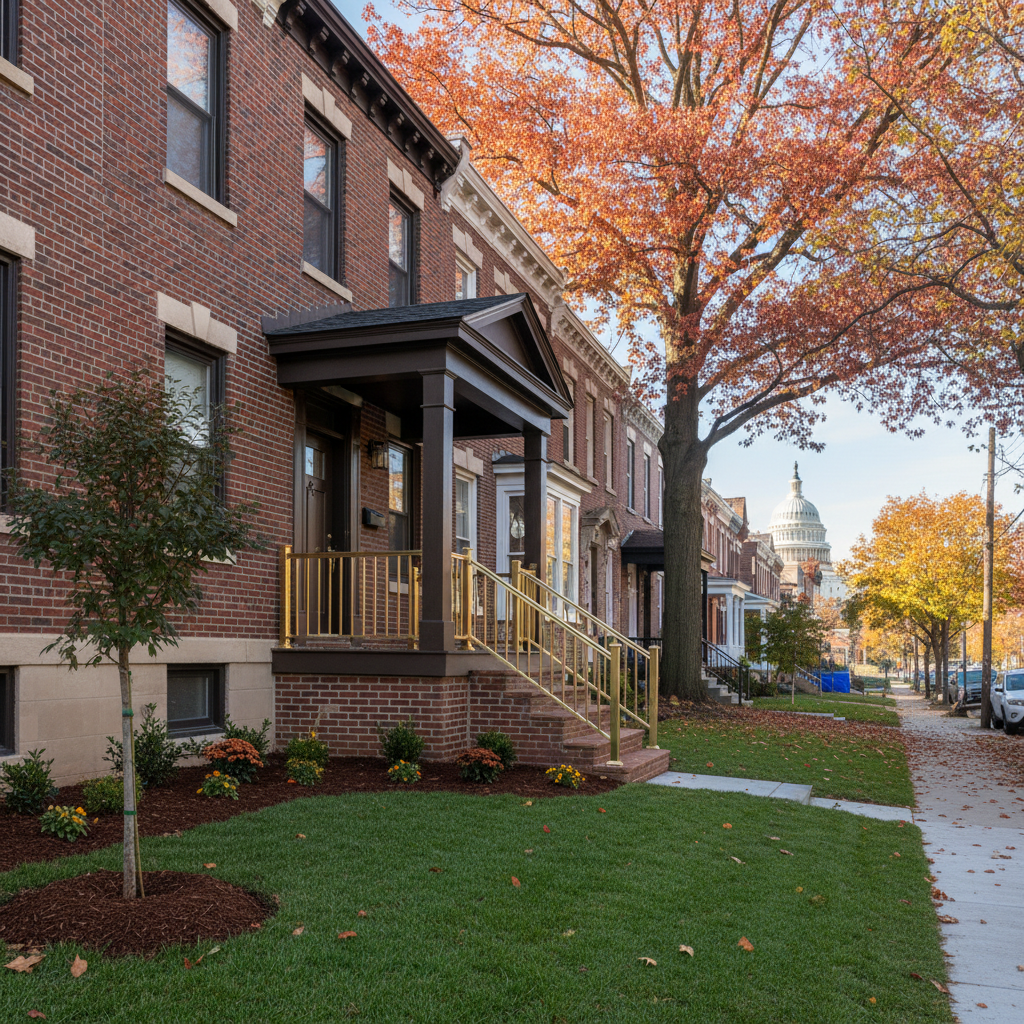
When's the best time to deal with water damage? That's a question I get a lot, and frankly, there's never a 'good' time for a pipe to burst or a roof to start leaking. But understanding how our DC climate impacts things can really help you plan ahead and protect your home.
The DC Weather Rollercoaster & Water Damage
You know how it goes here in Washington, DC. We get all four seasons, and sometimes it feels like we get them all in one week! That means different challenges for your home and different things to think about when it comes to water damage restoration.
- Spring (March - May): This is prime time for heavy rains. Think about those April showers that bring May flowers – they also bring saturated ground and potential basement flooding. If you've got cracks in your foundation or an old sump pump, spring is often when you'll find out. Humidity starts to creep up too, meaning if you have a leak, mold can begin growing faster than you'd prefer. We often see a spike in calls for water extraction and structural drying around this time.
- Summer (June - August): Hot and humid. That pretty much sums up a DC summer. While the ground might dry out a bit, severe thunderstorms are a constant threat. Downpours can easily overwhelm gutters and drainage systems, leading to roof leaks or water pooling around your foundation. The biggest worry here, though, is mold. With high temperatures and even higher humidity, any moisture left unchecked can turn into a serious mold problem quickly. If you've had water damage, getting it dried out fast and completely is absolutely critical in the summer.
- Fall (September - November): This is often our most pleasant season, but don't get too comfortable. We can still get hurricane remnants or Nor'easters bringing significant rainfall. Plus, as temperatures drop, people start turning on their heat, which can put stress on older plumbing systems. It’s a smart time to inspect your roof and gutters before winter really hits.
- Winter (December - February): Freezing temperatures are the main event here. Burst pipes are incredibly common. I've personally seen countless homes in places like Capitol Hill or Georgetown with beautiful, historic plumbing that just can't handle a deep freeze. Basements can also flood from snowmelt or ice dams on roofs. Getting heat back into your home quickly after a burst pipe, once the water is off, is important to keep things from freezing further.
When to Schedule & What Affects the Work
If you're dealing with an active emergency – say, a burst pipe or a flooded basement – you don't 'schedule' anything; you just call someone immediately. That's exactly what Neighborly Restoration is here for, 24/7. But if you have, for instance, a slow leak you've just discovered, or you're planning preventative measures, the season can definitely influence things.
For major structural drying, especially in basements, humidity is a huge factor. In summer, we're essentially fighting against the outdoor humidity trying to get into your home. That might mean we need more dehumidifiers or longer drying times to get everything truly dry. In winter, the air is usually drier, which can sometimes help with drying, but freezing temperatures can make it tough to keep the work area warm enough for optimal drying. Access to your home can also be an issue – think about snow and ice making it harder for our equipment to get in and out. It happens.
The important thing to remember is that water damage doesn't wait for perfect weather. We're equipped to handle it no matter what Mother Nature throws our way.
Protecting Your Investment Year-Round
Your home is probably your biggest investment, especially here in DC where property values are so high. Protecting it from water damage is a year-round job, not just something you think about when disaster strikes.
- Regular Inspections: Walk around your house a few times a year. Check your roof for missing shingles, look at your gutters to make sure they're clear, and inspect your foundation for cracks. Inside, keep an eye on ceilings for water stains, check under sinks for drips, and make sure your appliances (washer, dishwasher, water heater) aren't leaking.
- Maintain Your Plumbing: Don't wait for a pipe to burst. Get older pipes inspected. Know where your main water shut-off valve is – and make sure everyone in the house knows too. In winter, disconnect garden hoses and consider insulating exposed pipes.
- Manage Drainage: Make sure your downspouts extend several feet away from your foundation. Ensure your yard slopes away from your house, not towards it. Keep your sump pump well-maintained and consider a battery backup.
- Address Small Leaks Promptly: A small drip today can become a huge problem tomorrow. Don't put off fixing minor leaks. The sooner you address them, the less damage and expense you'll have down the road.
Look, water damage is a pain, no matter when it happens. But by understanding our local climate and taking some proactive steps, you can significantly reduce your risk. And if the worst does happen, you know who to call. We're here to help you get your home back to normal, fast.