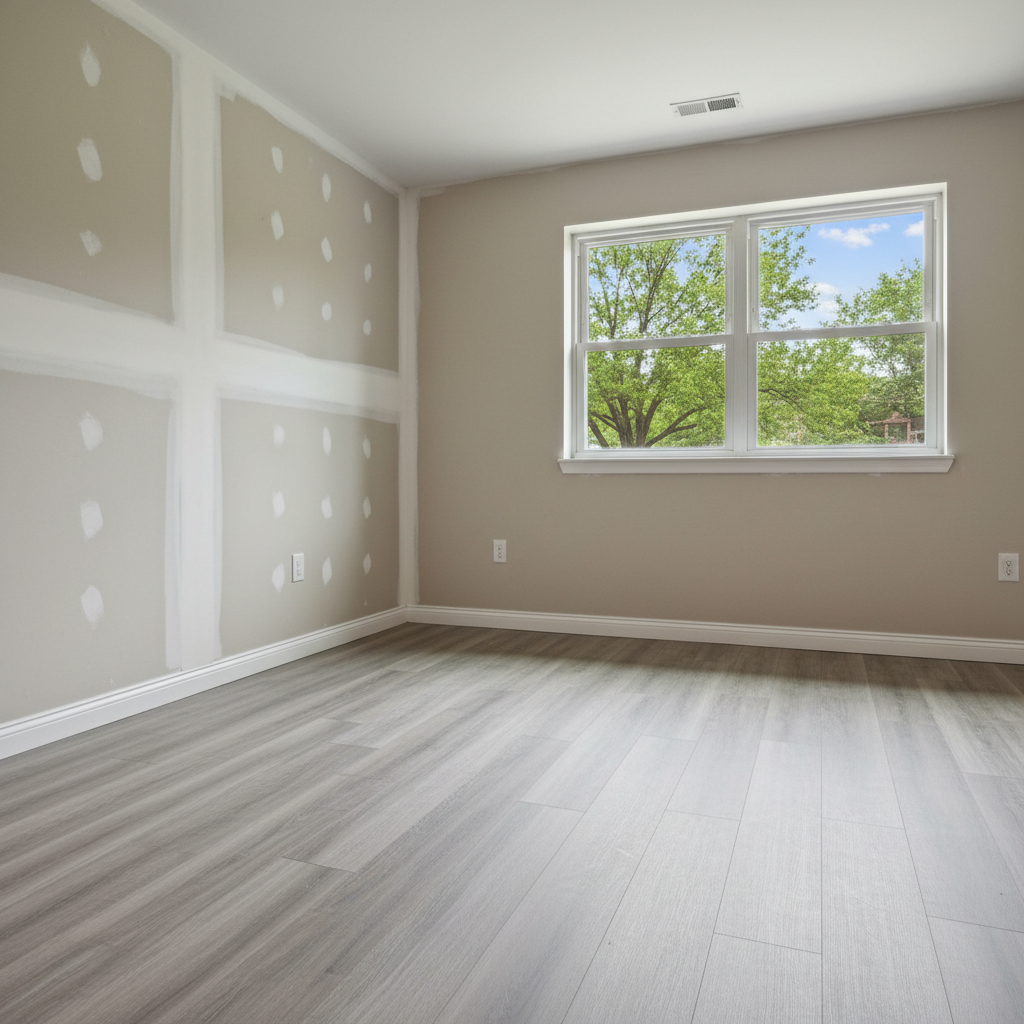
You've dealt with mold, maybe even had us out at Neighborly Restoration to clean it up. That's a huge relief, right? But here's the thing: getting rid of mold is one battle; keeping it away is the war. Especially here in Washington, DC, with our humid summers and sometimes damp winters, mold is always looking for an opportunity to sneak back in. You've invested time and money in remediation, so let's talk about how you keep that investment paying off.
Extending the Life of Your Mold Remediation Work
Think of mold remediation as hitting the reset button. To really make that reset last, you've got to tackle the underlying issues that let mold grow in the first place. We're talking about moisture control, plain and simple. If we fixed a leaky pipe, great, but what about the humidity in your basement? What about that damp crawl space common in older homes near Capitol Hill?
- Fix those leaks, for good: This sounds obvious, but it's the number one culprit. Check your plumbing regularly. Look under sinks, around toilets, and at appliance hoses. Even a slow drip can create enough moisture for mold to thrive.
- Improve drainage outside: Make sure your gutters are clean and downspouts direct water away from your foundation. If water pools near your house after a heavy DC thunderstorm, you're inviting trouble. Consider grading your yard away from the foundation if it's sloping towards it.
- Seal up air leaks: Drafts aren't just about energy bills. They can bring in humid outdoor air, especially in the summer. Seal around windows, doors, and any penetrations in your foundation or exterior walls.
- Proper ventilation is key: After a shower, run the bathroom fan for at least 20-30 minutes. Use your kitchen fan when cooking. These simple habits pull moisture out before it can settle.
What Regular Maintenance Looks Like
You don't need to be a mold expert to keep an eye on things. A little vigilance goes a long way. This isn't about scrubbing every surface daily, but more about being aware of your home's environment.
- Monitor humidity levels: Grab a hygrometer – they're cheap and tell you the relative humidity. Aim for 30-50% indoors. If it's consistently higher, you might need a dehumidifier, especially in basements or during those sticky August days.
- Clean regularly: Dust and dirt can be food sources for mold spores. A regular cleaning routine, especially in bathrooms and kitchens, helps prevent mold from getting a foothold. Use appropriate cleaning products; a mild detergent and water often do the trick.
- Inspect often, especially after rain: Take a walk around your house after a good rain. Look for standing water, damp spots on walls, or any new discoloration. Check your attic for leaks, too, especially after heavy snow melts.
- Don't forget your HVAC: Change your air filters regularly. A dirty filter can restrict airflow and create moisture issues within your system, which can then spread mold spores throughout your home.
Warning Signs of a Problem
You've got a good handle on things, but sometimes mold tries to sneak back in. Here's what to look for:
- Musty odors: This is often the first sign. If a room smells damp or earthy, even if you can't see anything, it's time to investigate.
- Visible discoloration: Black, green, white, or even pink spots on walls, ceilings, or around windows. Don't just paint over it; that won't solve the problem.
- Peeling or bubbling paint/wallpaper: This often indicates moisture behind the surface, which is a prime spot for mold growth.
- Water stains: Any new water stains on ceilings or walls mean there's a leak somewhere, and where there's a leak, mold usually follows.
- Increased allergy symptoms: If you or your family are experiencing unexplained allergy-like symptoms (sneezing, coughing, itchy eyes) when you're home, but feel better when you're away, mold could be the culprit.
When to Call a Professional
You're not expected to handle every mold issue yourself. Knowing when to bring in the pros can save you a lot of headache and ensure the problem is dealt with safely and effectively.
- Large areas of mold: If you find mold covering more than about 10 square feet (roughly a 3x3 foot patch), it's usually best to call in a professional. It indicates a significant moisture issue and requires specialized containment and removal.
- Mold after a flood or major leak: If your basement flooded or you had a burst pipe that soaked a large area, the potential for widespread mold is high. Professionals have the equipment to dry out the area properly and prevent future growth.
- Mold in your HVAC system: Never try to clean mold from your ductwork or HVAC unit yourself. This can spread spores throughout your entire home.
- Persistent musty odors: If you can smell mold but can't find the source, it might be hidden behind walls, under flooring, or in other inaccessible areas. We've got tools and experience to locate these hidden problems.
- Health concerns: If anyone in your household is experiencing health issues that you suspect are related to mold, don't delay. Get it checked out by a professional.
Look, mold isn't just ugly; it can be bad for your home and your health. By staying on top of moisture control and knowing the warning signs, you can keep your home mold-free for years to come. But if you ever find yourself in over your head, don't hesitate to give us a call at Neighborly Restoration. We're here to help DC homeowners protect their biggest investment.