So, you've had water damage. Maybe a pipe burst, your roof leaked during one of those crazy summer downpours we get here in DC, or your basement flooded. Whatever the cause, now you're looking at structural drying. It's not just about mopping up the water; it's about getting your home truly dry to prevent bigger problems down the road. I've seen a lot of these situations over the years, and I want to give you the straight scoop on what to expect.
The Timeline: How Long Does This Take?
This is usually the first question I get, and it's a good one. The truth is, there's no one-size-fits-all answer, but I can give you a general idea. Most structural drying projects take anywhere from three to five days. Sometimes it's quicker if the damage is really minimal and caught fast, say, within 24 hours. Other times, especially if it's been sitting for a while, or if you've got a lot of saturated plaster or hardwood floors, it could stretch to a week or even a bit more.
A big factor is how much moisture is trapped in the building materials. We use specialized meters to measure this. We're not just guessing; we're looking for specific moisture content levels to ensure everything is truly dry. Don't let anyone tell you they can just 'air it out' in a day if it's a significant amount of water. That's a red flag.
What to Expect During the Structural Drying Process
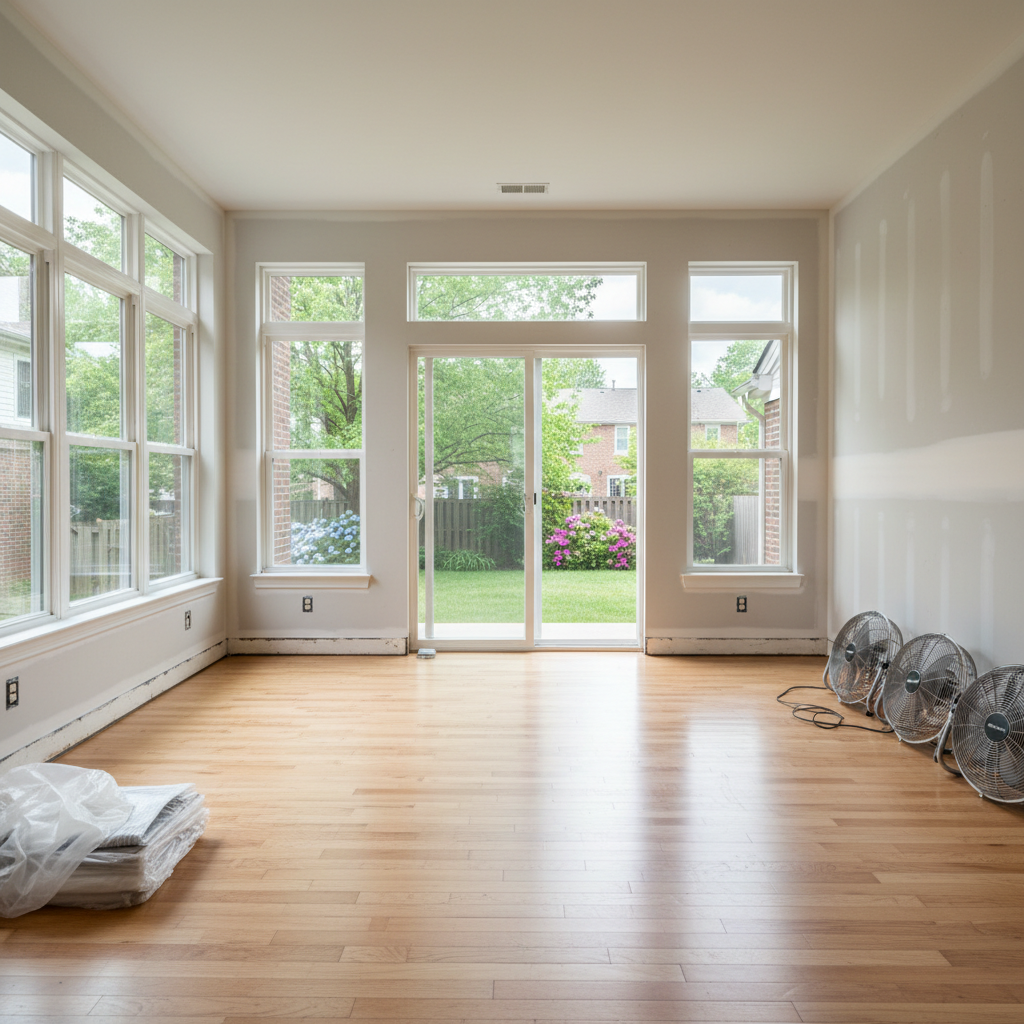
Once we're on site, here's the typical flow. First, we'll extract any standing water. This might involve powerful truck-mounted vacuums or portable units. Then, the real work begins: setting up the drying equipment. You'll see a lot of air movers (those big fans) and dehumidifiers. The air movers create airflow across wet surfaces, speeding up evaporation, while the dehumidifiers pull that moisture out of the air.
We'll also likely use specialized equipment like air scrubbers, especially if there's any concern about mold spores or odors. If insulation, drywall, or flooring is too far gone, we'll remove those materials. It's better to remove and replace than to try and dry something that's already compromised. We'll monitor moisture levels daily, adjusting equipment as needed until everything is back to safe, dry levels. It can be noisy, and your power bill might be a little higher for a few days, but it's crucial for getting your home healthy again.
How to Prepare Your Home for Drying
You can do a few things to make the process smoother and faster. First, if it's safe, remove any personal belongings from the affected areas. Think furniture, rugs, electronics, and anything else that can be easily moved. The less stuff we have to work around, the more efficiently we can place our equipment.
If you have any valuable or sentimental items, make sure they're secured. We're careful, but it's always best to move anything you're worried about. Also, if you know the source of the water, try to stop it if possible. Turn off the main water supply if it's a plumbing issue. Clearing pathways for our crew and equipment is also a huge help. We'll need to get those big machines in there.
Questions to Ask Before You Sign That Contract
Before you commit to any structural drying company, you've got to ask some pointed questions. This isn't a small job, and you want to make sure you're working with pros. Here's what I'd ask:
- Are you IICRC certified for water damage restoration? This is the industry standard. It means they've got the training and knowledge to do the job right. If they're not, move on.
- How will you monitor the drying process? They should be talking about moisture meters, daily readings, and a clear drying plan. You don't want someone just leaving fans and hoping for the best.
- What's your communication plan? Will they give you daily updates? Who's your main point of contact? You need to know what's happening in your home.
- What's included in the estimate? Make sure it's itemized. You want to understand costs for extraction, equipment rental, labor, and any demolition. Don't be afraid to ask for clarification on anything.
- Do you work with insurance? Most reputable companies, like us at Neighborly Restoration, do. They should be able to help you navigate the claims process, but remember, you're ultimately responsible for payment.
- What's your plan for preventing mold? Proper drying is the best defense, but they should be able to explain their strategy for keeping mold from becoming an issue.
- What happens after the drying is complete? Will they help with reconstruction or recommend someone? You'll likely need repairs once everything is dry.
Getting your home dry after water damage isn't just about comfort; it's about protecting your biggest investment. Do your homework, ask the right questions, and make sure you're working with a company that puts your home's health first. It'll save you a lot of headaches down the line.