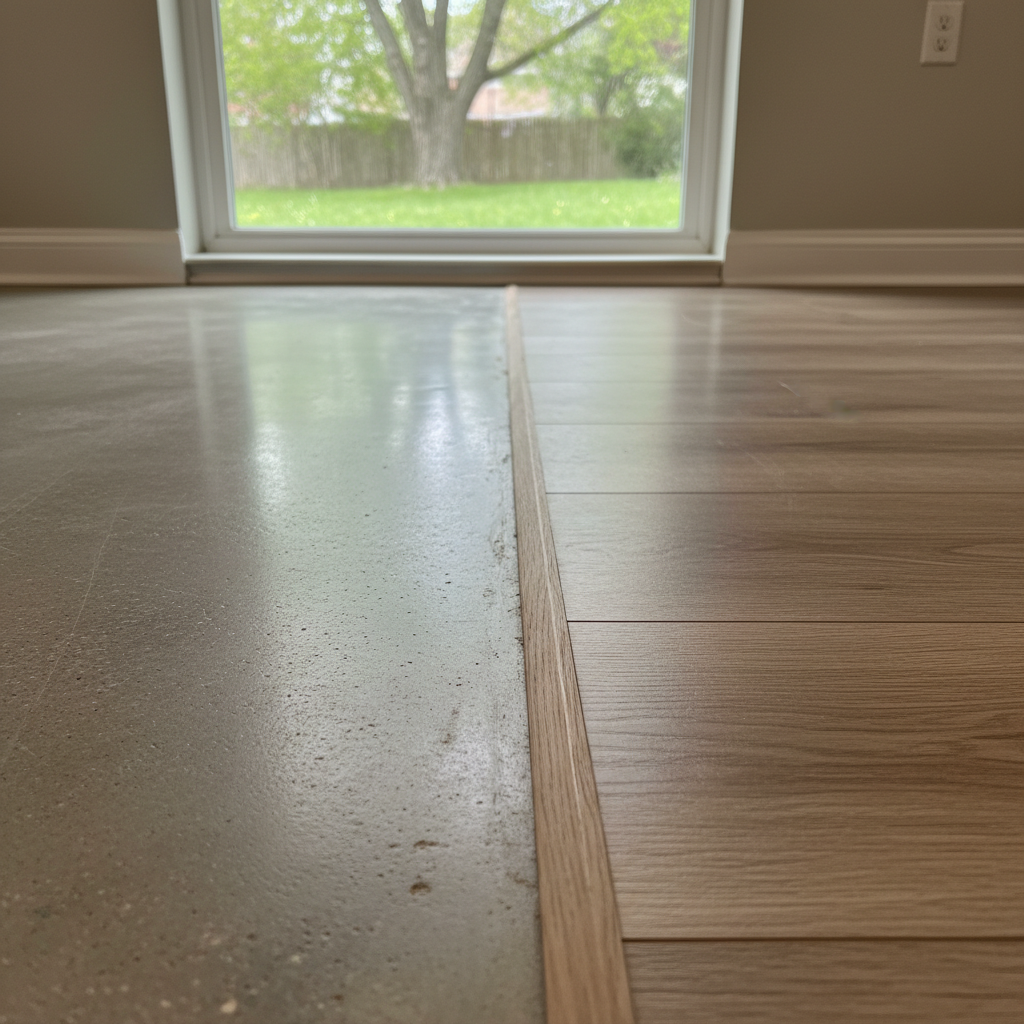
When a pipe bursts or a heavy summer storm overwhelms your basement, things move fast. You are standing in inches of water, wondering what to do next and how much it is going to cost. Neighborly Restoration gets a lot of phone calls from homeowners across Washington, DC dealing with sudden water issues. To help clear up the confusion, Neighborly Restoration has put together straight answers to the questions we hear most often about Water Damage Restoration services.
How fast do professionals actually need to get to my house?
Speed is very important when water gets inside a building. The clock starts ticking the minute the leak or flood happens. Within the first few hours, moisture migrates into drywall, subfloors, and framing. By the time 24 to 48 hours roll around, you are looking at prime conditions for mold growth, especially in the humid climate we get here in the mid-Atlantic. If you call a Water Damage Restoration crew within the first hour or two, you can often save structural materials that would otherwise have to be ripped out and thrown away.
Can not I just use a shop vac and a bunch of box fans?
You can certainly try, and it might make you feel better to do something immediately, but a shop vac only handles surface puddles. It does not pull moisture out of carpet padding, hardwood subfloors, or wall cavities. Standard household fans just move air around; they do not draw moisture out of building materials. Professional Water Damage Restoration requires truck-mounted units or heavy-duty commercial pumps combined with low-grain dehumidifiers and specialized air movers designed to drop the relative humidity in the room and force trapped water out of the structure.
Will my insurance cover the cost of water extraction?
Most standard homeowners insurance policies cover sudden and accidental water damage, like a burst supply line or a failed washing machine hose. They generally do not cover gradual leaks or surface water from outside flooding unless you carry a separate flood policy through FEMA. The best thing you can do is take plenty of photos before anything gets moved, call your carrier to open a claim, and make sure your Water Damage Restoration crew documents everything with moisture meters and thermal imaging cameras.
Do you have to tear out my historic plaster walls?
Not always, but it depends entirely on how long the water sat there and how high it wicked up the wall. Older DC homes, especially the historic row houses you find in neighborhoods like Capitol Hill or Dupont Circle, often feature thick plaster over wood lath or masonry. Plaster holds up to moisture better than modern drywall for a short window, but if it stays saturated, the bond breaks down. Neighborly Restoration uses non-invasive thermal imaging and pinless moisture meters to see what is actually wet behind the surface so we only cut away what cannot be saved.
How long does the actual extraction and drying process take?
The extraction phase itself usually takes just a few hours depending on the square footage and depth of the water. However, extraction is only the first step. The structural drying process that follows typically runs anywhere from 3 to 5 days. Commercial air movers and dehumidifiers have to run continuously during that time. We check daily moisture readings until the affected materials drop back down to their dry standard baseline.
What happens if sewage mixed in with the floodwater?
That changes the situation completely. If a sewer line backs up or a toilet overflows with contaminated water, it is classified as Category 3 water, meaning it contains harmful bacteria and pathogens. You cannot simply vacuum it up and dry the carpet. Porous materials like carpet, padding, and affected drywall must be safely bagged and discarded. The remaining structure has to be thoroughly washed, sanitized, and treated with antimicrobial agents to ensure your home is safe to live in again. Neighborly Restoration provides Water Damage Restoration services for homes and businesses in Washington, DC.